Age changes what good support looks like more than any other factor.
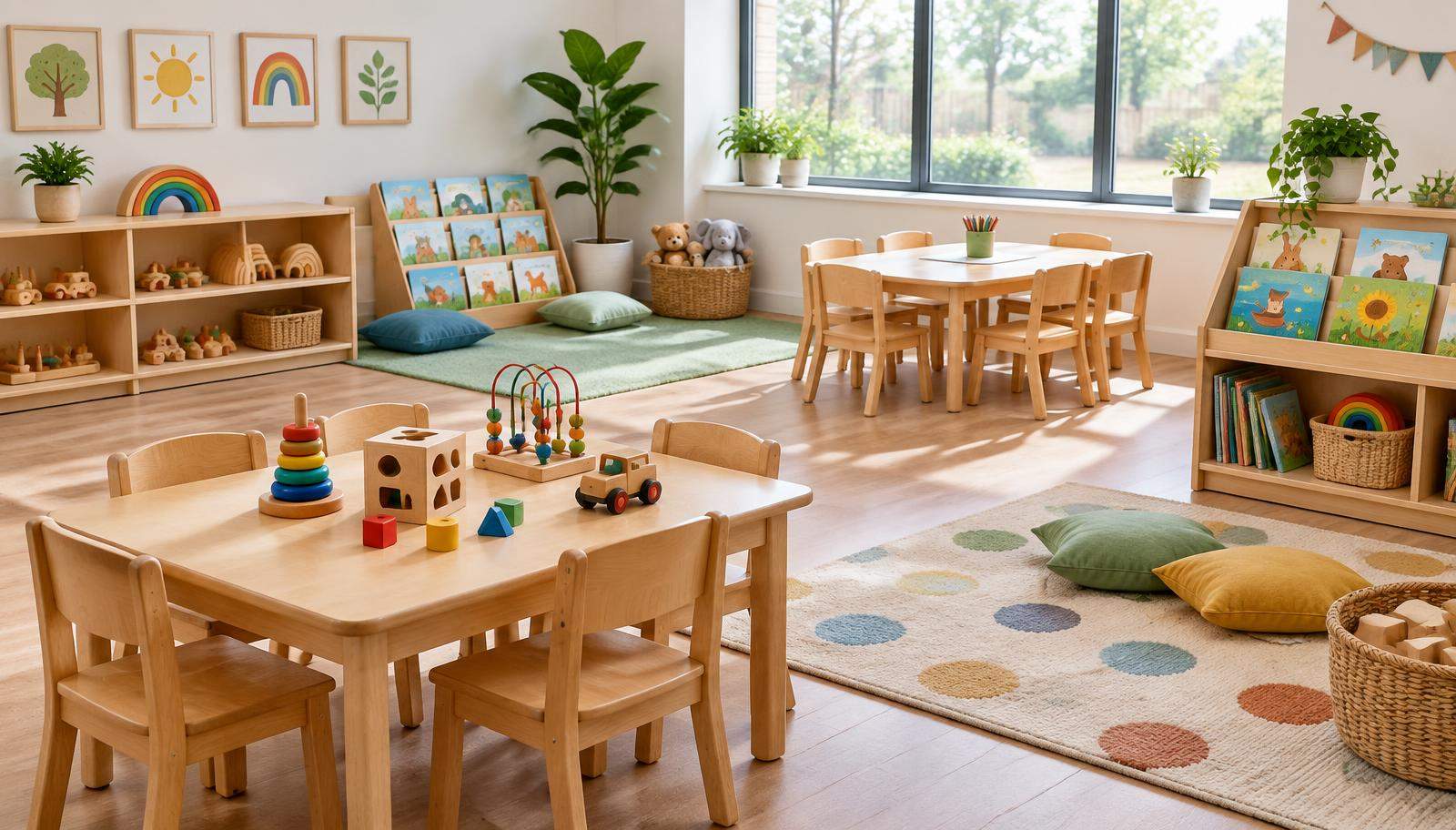
Early years, up to about five
Play-based, short, and focused on language, listening and confidence rather than worksheets. Look for small groups, a warm room and a leader who talks to children rather than at them. Formal tutoring at this age is rarely the right answer.
Primary, roughly six to eleven
Reading fluency and number sense are the two things worth investing in, because everything later rests on them. Sessions should be short, frequent and playful, with a clear picture of the gap being closed. A child who is tired after school will learn more at nine on Saturday than at six on Wednesday.
Lower secondary
Study skills matter as much as content: note taking, planning, revision that is not rereading. This is the stage where a good tutor changes habits rather than teaching topics.
Exam years
Focused, syllabus-specific, past-paper heavy, and time limited. Book a block with an end date rather than an open-ended arrangement, and involve the student in choosing the tutor.
Published September 21, 2026